How to Implement Postal Code Targeting in Canada
To implement postal code targeting in Canada, define where your crews can profitably work, then select delivery routes within that area. For home service businesses, this keeps flyer spending focused on nearby customers you can serve well.
The first three postal code characters provide a useful starting point. However, that area can extend beyond your preferred neighbourhoods, so route-level planning matters more than choosing a familiar postal prefix.
Start with your operating limits, then build a delivery plan that connects each area to an offer and a way to measure booked work.
How to Implement Postal Code Targeting in Canada
Your trade area is the territory your business can serve profitably. Postal boundaries help organise distribution, but your schedule, travel costs and preferred jobs should determine the boundaries first.
Map your real service area before choosing postal codes
Begin with completed jobs and customers you want more of. Plot their locations alongside your shop or dispatch point, then identify concentrations of suitable work.
Separate profitable service calls from jobs that consumed too much travel time. A location might look close on a map but require a bridge crossing, congested road or lengthy rural drive.
Next, define your limits around the work you’re promoting. Emergency plumbing needs a different response area than scheduled exterior painting. Similarly, a crew handling several maintenance appointments needs tighter routing than one spending days at a single property.

Use crew capacity to set the campaign’s scale. A full appointment book calls for a smaller test or an offer for future bookings. Promoting immediate availability while your team is overloaded creates avoidable disappointment.
Use FSAs to narrow the area, then refine by delivery route
A Canadian postal code contains six characters. According to Canada Post’s postal code addressing guidelines, the first three form the Forward Sortation Area, or FSA. The final three form the Local Delivery Unit, or LDU.
For example, M5V is an FSA. It identifies a broad geographic area, not a precise neighbourhood or a list of individual homes.
Use FSAs to locate candidate areas, then compare delivery routes against your service map. Look for routes that concentrate suitable properties without pushing your crews beyond their practical limits.
A full postal code provides finer geographic detail, but it isn’t a substitute for understanding the distribution service’s coverage. Your final selection should identify the actual delivery areas and eligible property types.
Choose coverage around the jobs you can serve profitably. A postal boundary doesn’t account for your crew’s travel time.
Choose between Canada Post Neighbourhood Mail and private flyer distribution
Canada Post’s direct mail options include Neighbourhood Mail, an unaddressed service for selected delivery areas. You choose geographic coverage rather than named recipients.
Private door-to-door distribution is another option. However, its targeting, access and delivery documentation depend on the distributor’s service terms.
The practical differences belong in your purchasing decision.
| Decision | Canada Post Neighbourhood Mail | Private flyer distribution |
| Coverage | Eligible delivery areas and routes | Streets or areas specified in the agreement |
| Recipient selection | Geographic coverage and available property categories | Whatever targeting the distributor offers |
| Delivery planning | Canada Post preparation and service requirements | Provider-specific scheduling and terms |
| Documentation | Mailing plan and order records | Agreed completion reports or supporting records |
Choose the method that fits your trade area and reporting needs. The lowest distribution quote can still waste money if it reaches unsuitable properties.
Plan a Neighbourhood Mail campaign with Precision Targeter
Canada Post’s free Precision Targeter combines geographic planning with demographic information. It supports residential property selection and radius searches around an address or postal code.
Its interactive map controls let you view selected coverage by route, postal code and other geographic layers. Senders can select eligible areas or delivery routes within an FSA rather than automatically covering the entire FSA.
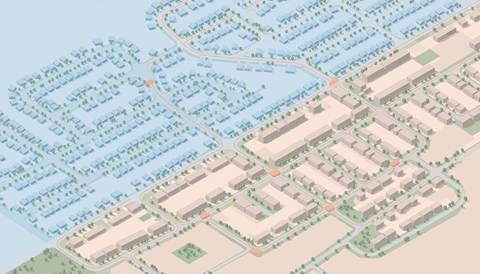
Use the tool to compare your service boundaries with available delivery coverage. Then build the mailing plan around the selected routes and property categories.
Piece size, weight, preparation and timing also belong in the plan. Distribution cost alone doesn’t establish the campaign budget because printing, transportation and applicable taxes can affect the total.
Check what a private distributor can target and confirm delivery
A useful private distribution quote identifies the streets or mapped area, intended property types, quantity and delivery window. A postal code label alone leaves too much ambiguity about where flyers will go.
The agreement should also explain how the distributor documents completion. Possible evidence includes route reports or GPS records, but those features aren’t universal. Purchase them only when they’re part of the written service.
Access matters too. Detached homes and secured apartment buildings present different delivery conditions, so the agreement should describe exclusions and how undelivered material is handled.
Compare the quote with your original service map. If the proposed territory includes places you can’t serve efficiently, negotiate narrower coverage instead of accepting additional volume.
Build a flyer offer that turns local reach into booked work
Postal code targeting in Canada improves geographic relevance. The flyer still needs to give the right customer a clear reason to respond.
Lead with a recognisable service need, explain the offer, and provide one obvious next step.
Match the message to the homes and jobs you want
Choose the service before writing the headline. A flyer promoting eavestrough cleaning should focus on that job rather than listing every service your company offers.
Property type helps shape the message. Detached homes may suit exterior maintenance offers, while apartment-focused coverage may require a different service or purchasing contact. Canada Post’s postal code address counts distinguish houses, apartments, farms and businesses by delivery route.
However, property categories and area-level demographics don’t reveal an individual household’s buying intentions. A suitable house doesn’t automatically mean an interested homeowner.
State your service area clearly. Then give one credible reason to act, such as a defined seasonal service package or a genuine booking deadline. Explain eligibility and exclusions plainly.
Avoid unsupported claims about savings, availability or guaranteed results. The offer should make sense without requiring a phone call to uncover its conditions.
Track calls, estimates, and booked jobs by area
Assign each test area a distinct response identifier. A dedicated phone number, landing page URL or offer code can connect enquiries to the distribution territory.
QR codes should lead directly to the relevant service page, not force customers to search your homepage. Keep the phone option visible because some homeowners will prefer calling.
Tracking also needs a consistent office process. Record the campaign source when an enquiry arrives, then carry it through the estimate and booking records. Otherwise, the distribution data disappears before you can judge sales results.
Measure qualified enquiries, estimates and booked jobs separately. Define a qualified enquiry as a request for work you actually offer, within your service area, under conditions your team can accommodate.
Compare each area’s printing and distribution costs with booked work. Include tracking and creative costs when calculating total acquisition cost.
I recommend using cost per booked job alongside the value and profitability of those jobs. Cheap enquiries aren’t useful if they consistently request unsuitable work.
Repeat stronger areas only while your crews have capacity and the offer remains relevant. Keep the offer consistent during an area comparison so you can interpret the results.
Avoid the targeting mistakes that waste flyer budget
Treating an FSA as an exact neighbourhood is an expensive shortcut. It can combine suitable streets with properties outside your preferred territory. Route-level coverage deserves more attention than the familiarity of a postal prefix.
Another mistake is using distance alone to define serviceability. Travel time, access and job duration affect whether a booking pays. Advertising across a wide area can fill the schedule while reducing the number of jobs each crew completes.
Timing also changes the value of delivery. A seasonal maintenance flyer needs enough time for distribution, customer response and scheduling before the useful booking period closes.
Canada Post’s delivery standards aren’t guaranteed. Timing can vary by location, and Neighbourhood Mail also depends on its delivery cycle. Avoid offers that fail if material arrives later than expected.
Plan printing and mailing preparation together. Canada Post’s Smartmail Marketing customer guide sets out service requirements that affect how a campaign is prepared and submitted.
Finally, don’t judge success by pieces distributed or total calls. Distribution volume measures reach, while calls can include unsuitable jobs, existing customers and enquiries outside your service area.
A campaign that produces fewer enquiries can still perform better if more become profitable bookings. Keep the area, offer and delivery window attached to each result so comparisons remain useful.
Change one major variable at a time when testing again. Otherwise, a new offer, different territory and altered timing make it difficult to identify what improved performance.
Start with a small, measurable trade area
Effective postal code targeting starts with a service area your business can handle profitably. FSAs narrow the search, while route-level information helps turn that broad geography into a practical distribution plan.
Choose Canada Post Neighbourhood Mail or private distribution according to coverage and service terms. Then connect the flyer to qualified enquiries and booked work, rather than treating delivery volume as success.
Start with a small area, one clear offer and a distinct response path. Expand after the results show that the territory produces suitable jobs your crews can serve well.